Peeling Wall Paint in Gurgaon: Causes, Fixes & Repainting Guide
Is your wall paint peeling, bubbling or coming off? Find out why it happens and what you should do before applying fresh paint.
Peeling wall paint is a common problem in homes and apartments. A wall may look fine initially, but after some time the paint can start flaking, bubbling or separating from the surface.
If you live in Gurgaon (Gurugram), don't simply paint over the damaged area. The underlying cause should be identified first. Otherwise, the new paint may start peeling again.

Why Does Wall Paint Peel Off?
Paint usually peels when the bond between the coating and the wall becomes weak. Several different problems can cause this.
1. Moisture and Dampness
Moisture is one of the first things to investigate when paint repeatedly peels. Water can enter through plumbing problems, seepage, exterior walls, bathrooms, balconies or other areas.
2. Painting Over a Damp Surface
If paint is applied before the wall has properly dried, moisture can remain underneath the coating. This may eventually result in bubbling and peeling.
3. Poor Surface Preparation
Dust, loose paint, grease and an unstable previous coating can reduce adhesion. Proper cleaning, scraping and sanding are therefore important before repainting.
4. Old or Weak Paint Layers
Older walls may contain several previous paint layers. If the lower coating has already become weak, applying another coat over it may not solve the problem.
5. Cracks and Wall Movement
Small cracks can allow moisture to enter and may also cause the paint film to break. Cracks should be assessed and repaired before final painting.
How to Fix Peeling Paint Step by Step
Step 1 — Inspect the Wall
Check whether the peeling is limited to a small area or spread across the wall. Look for dampness, water stains, cracks and bubbling.
Step 2 — Remove Loose Paint
Loose and flaking paint should be carefully scraped away. The goal is to reach a stable surface rather than leaving loose material underneath the new coating.
Step 3 — Repair the Surface
Fill suitable cracks, holes and uneven areas with the appropriate repair material. Allow repaired areas to dry properly before continuing.
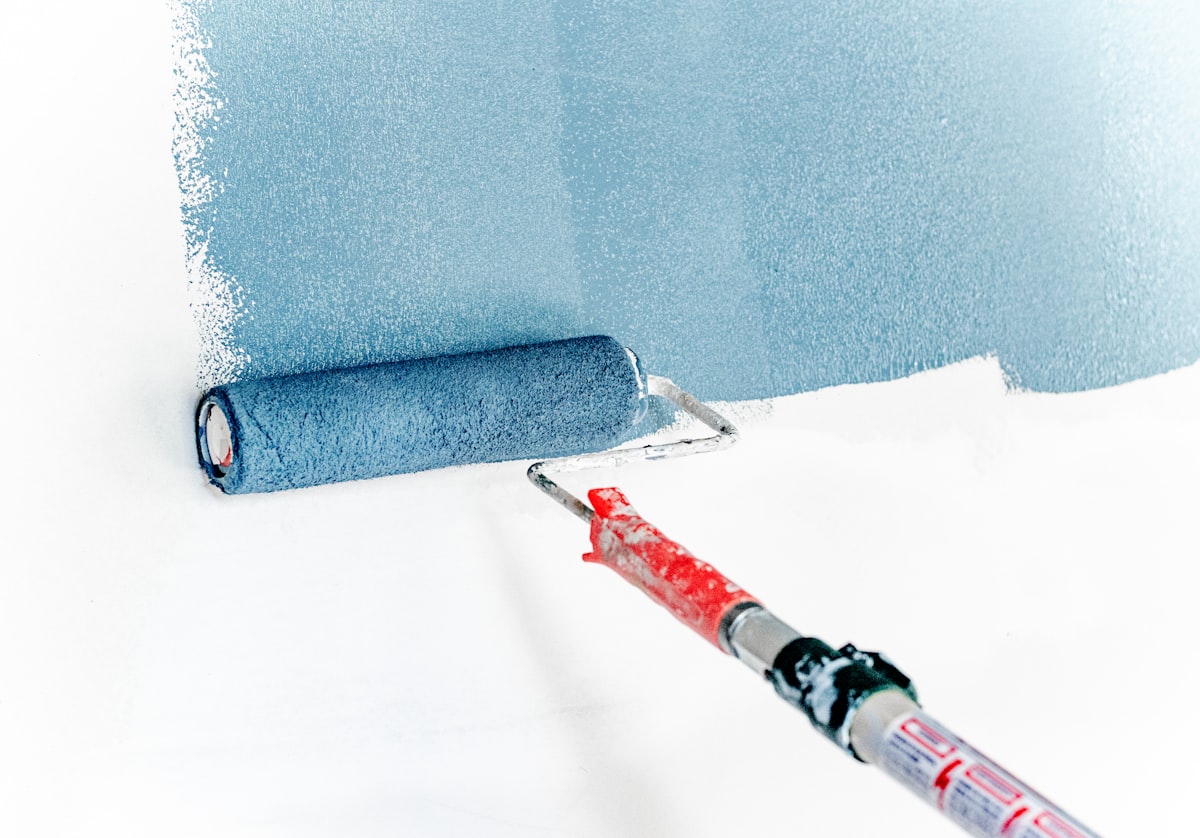
Step 4 — Sand and Clean
After repairs have dried, the surface should be sanded and cleaned so that dust does not interfere with the next coating.
Step 5 — Apply Suitable Primer
Primer helps prepare the surface for the finishing coats. The right primer depends on the wall condition and the selected paint system.
Step 6 — Apply the Finish Paint
Once the preparation and primer are complete, apply the recommended finish coats according to the paint manufacturer's instructions.

Peeling Paint vs Damp Wall: How to Tell the Difference
| Problem | Possible Sign | What to Check |
|---|---|---|
| Peeling paint | Flaking or lifting coating | Old paint and surface adhesion |
| Dampness | Dark patches or recurring stains | Leakage or moisture source |
| Paint bubbling | Raised bubbles under paint | Moisture or trapped air |
| Wall cracks | Visible lines or gaps | Type and size of crack |
If a stain or damp patch keeps returning after repainting, investigate the moisture source instead of repeatedly applying new paint.
How to Prevent Wall Paint from Peeling Again
- Fix leakage or seepage before painting.
- Allow damp surfaces to dry properly.
- Remove loose and unstable paint.
- Clean dust and dirt before coating.
- Repair cracks and damaged areas.
- Use a suitable primer.
- Follow the paint manufacturer's application instructions.
- Don't rush the drying time between coats.
Which Gurgaon Homes May Need This Repair?
Peeling paint can occur in apartments, builder floors, independent houses, rental properties and older homes. It may be noticed around bathrooms, balconies, kitchens, exterior-facing walls, windows and areas affected by previous leakage.
This guide is relevant to homeowners searching for painting and wall repair information in:
Sector 14, Sector 15, Sector 31, Sector 40, Sector 45, Sector 46, Sector 47, Sector 49, Sector 52, Sector 56, Sector 57, Sector 58, Sector 59, Sector 60, Sector 65, Sector 66, Sector 67, Sector 68, Sector 69, Sector 70, Sector 82, Sector 85, DLF Phase 1–5, Golf Course Road, Sohna Road and New Gurgaon.
How Much Does Wall Repair and Repainting Cost?
The cost depends on the size of the damaged area, surface condition, repair requirements, paint quality and labour. A small touch-up is very different from repairing and repainting an entire room.
| Work | What Can Affect Cost? |
|---|---|
| Small touch-up | Area size and colour matching |
| Peeling paint repair | Amount of scraping and preparation |
| Crack repair | Crack size and repair material |
| Single room repainting | Room size, paint and surface condition |
| Complete home painting | Area, number of rooms, preparation and paint system |
For a broader cost guide, read: House Painting Cost in Gurgaon 2026 .
Related Painters Gurugram Guides
Frequently Asked Questions
Why is my wall paint peeling?
Common causes include moisture, poor surface preparation, weak previous paint layers, cracks and applying paint to an unsuitable or damp surface.
Can I paint directly over peeling paint?
It is not recommended to simply paint over loose or peeling paint. The unstable coating should be removed and the surface prepared first.
How do I stop paint from peeling on a damp wall?
First identify and address the moisture source. Once the wall is suitably dry, repair and prepare the surface before repainting.
Should I use primer after removing peeling paint?
A suitable primer can be part of the preparation system, depending on the wall condition and selected paint products.
Can peeling paint be repaired without repainting the whole house?
Yes. If the damage is limited, the affected wall or section may be repaired and repainted instead of repainting the entire house.
When should I call a professional painter?
Consider professional help when peeling is widespread, dampness keeps returning, there are significant cracks, or you need a consistent finish across multiple rooms.
Don't judge a peeling wall only by its appearance. Find the cause first, prepare the surface properly and then repaint. Good preparation can make a major difference to the final finish.
Information is for general guidance. Actual wall repair and painting requirements vary according to the property and surface condition.