How to Protect Furniture and Floors During House Painting in Gurgaon
Simple and practical ways to prevent paint splashes, dust and accidental damage while painting your home.
House painting can give your Gurgaon home a completely fresh look, but preparation is just as important as choosing the right paint. Furniture, flooring, electrical fixtures, doors and windows can easily collect paint drops or sanding dust if they are not protected properly.
In this guide, you will learn how to prepare and protect your home before interior painting starts.
Why Furniture and Floor Protection Is Important
During painting, small drops of primer, putty or paint can land on floors and furniture. Sanding old walls can also create fine dust. Proper protection helps reduce cleaning work and lowers the chance of stains or scratches.
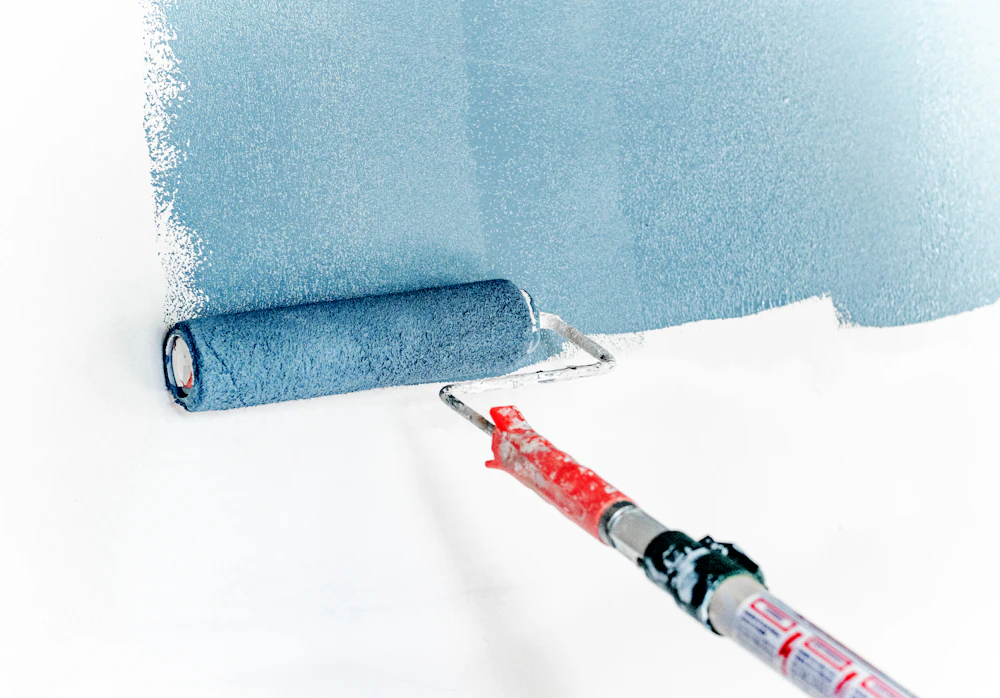
9 Steps to Protect Your Home Before Painting
1. Remove Small Furniture
Take chairs, small tables, decorative items, lamps and movable furniture out of the room whenever possible. This creates more working space and makes painting easier.
2. Move Large Furniture
Large wardrobes, beds and sofas that cannot be removed should be moved toward the centre of the room. Keep enough space around the walls for painters to work safely.
3. Cover Furniture Properly
Use good-quality plastic sheets or painter's covers over furniture. Secure the covers so they do not move when people walk around the room.
4. Protect the Floor
Use floor protection before sanding, putty and painting. Plastic alone may move easily, so suitable protective sheets or paper-backed coverings can provide better stability.
5. Protect Switches and Fixtures
Switch plates, sockets, light fixtures and other exposed fittings should be protected carefully. Painting around electrical fittings without proper masking can leave messy edges.
6. Mask Doors and Windows
Use painter's tape and protective covering around door frames, window frames, glass and hardware. This helps create cleaner paint lines.
7. Protect Curtains and Décor
Remove curtains, wall décor, mirrors and artwork before work begins. Store them in another clean and dry room.
8. Control Sanding Dust
Wall preparation can create considerable dust. Keep doors to other rooms closed where practical and clean loose dust before applying primer or paint.
9. Check Everything Before Painting
Before the first coat, inspect the room from floor to ceiling. Make sure furniture, floors, windows, switches and other surfaces are properly covered.

How to Protect Different Types of Flooring
| Floor Type | Protection Tip |
|---|---|
| Marble | Use protective covering and avoid leaving wet paint on the surface. |
| Tiles | Cover the working area and pay attention to grout lines. |
| Wooden Flooring | Use suitable protective covering and avoid excessive moisture. |
| Laminate | Protect against paint drops and standing moisture. |
| Vinyl | Use a stable covering that prevents scratches and paint marks. |

Protecting Sofas, Beds and Wardrobes
Large furniture should not simply be covered with a loose sheet. First move it away from the wall, remove cushions or loose items, and then cover the complete furniture surface.
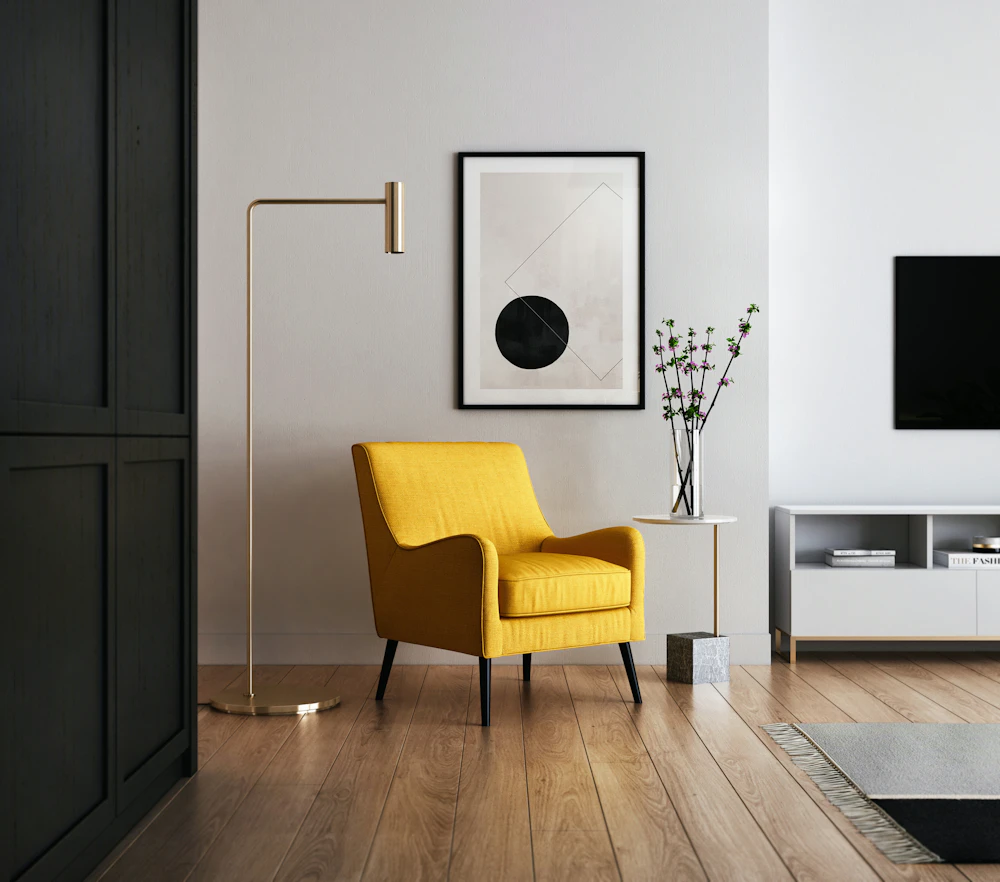
How to Protect Doors, Windows and Electrical Fixtures
Paint can easily reach door handles, hinges, window glass, switches and sockets. Painter's tape and suitable coverings can help keep these areas clean.
For electrical fittings, painting work should be carried out carefully. If a fitting needs to be removed, it should be handled by an appropriately qualified person rather than attempting unsafe electrical work.

What Should Be Covered Before Painting?
- ✔ Sofas and beds
- ✔ Tables and chairs
- ✔ Wardrobes and cabinets
- ✔ Flooring
- ✔ Curtains and blinds
- ✔ Mirrors and wall décor
- ✔ Door handles and hardware
- ✔ Window glass and frames
- ✔ Switches and exposed fixtures
- ✔ Valuable and delicate belongings

Common Mistakes to Avoid
- Using loose plastic sheets: They can move and expose the floor.
- Leaving furniture close to the wall: This can make cutting-in and rolling difficult.
- Ignoring sanding dust: Dust can settle on furniture and freshly painted surfaces.
- Not masking edges: This can lead to unwanted paint marks.
- Leaving valuable items in the room: Move delicate belongings to a safe location.
- Cleaning wet paint incorrectly: Always consider the flooring manufacturer's care instructions.
Gurgaon Home Painting: Extra Things to Consider
Homes in Gurgaon can have different types of flooring, furniture and wall conditions. Before painting, inspect the walls for cracks, stains or moisture-related problems. If a wall has dampness, simply covering it with fresh paint may not solve the underlying issue.
You can also read our related guide: Budget-Friendly Home Repainting Ideas in Gurgaon .

Related Painting Guides
- 10 Trending House Paint Colors
- House Painting Cost in Gurgaon 2026
- 2026 Home Wallpaper Trends in Gurgaon
- Modern Wardrobe Interior Ideas
Frequently Asked Questions
1. Should furniture be removed before painting?
Small and movable furniture should ideally be removed. Large furniture can be moved away from the walls and covered properly.
2. How do I protect my floor from paint?
Cover the working area with suitable floor protection before sanding, priming and painting. Secure the covering so it does not move.
3. Should curtains be removed during painting?
Yes. Removing curtains and blinds helps protect them from dust, primer and paint splashes.
4. How can I protect windows from paint?
Use suitable masking tape and protective covering around window frames and glass before painting.
5. What should I do with expensive furniture?
Move valuable furniture outside the work area whenever possible. If it must remain inside, cover it completely and keep it away from active painting work.
Planning to Paint Your Gurgaon Home?
Good preparation can make the painting process cleaner, safer and easier. Protect your furniture and floors before the first coat begins.
Explore Painters Gurugram